
PRACTICAL PREPAREDNESS FOR REAL-WORLD OUTAGES
PRACTICAL PREPAREDNESS FOR REAL-WORLD OUTAGES
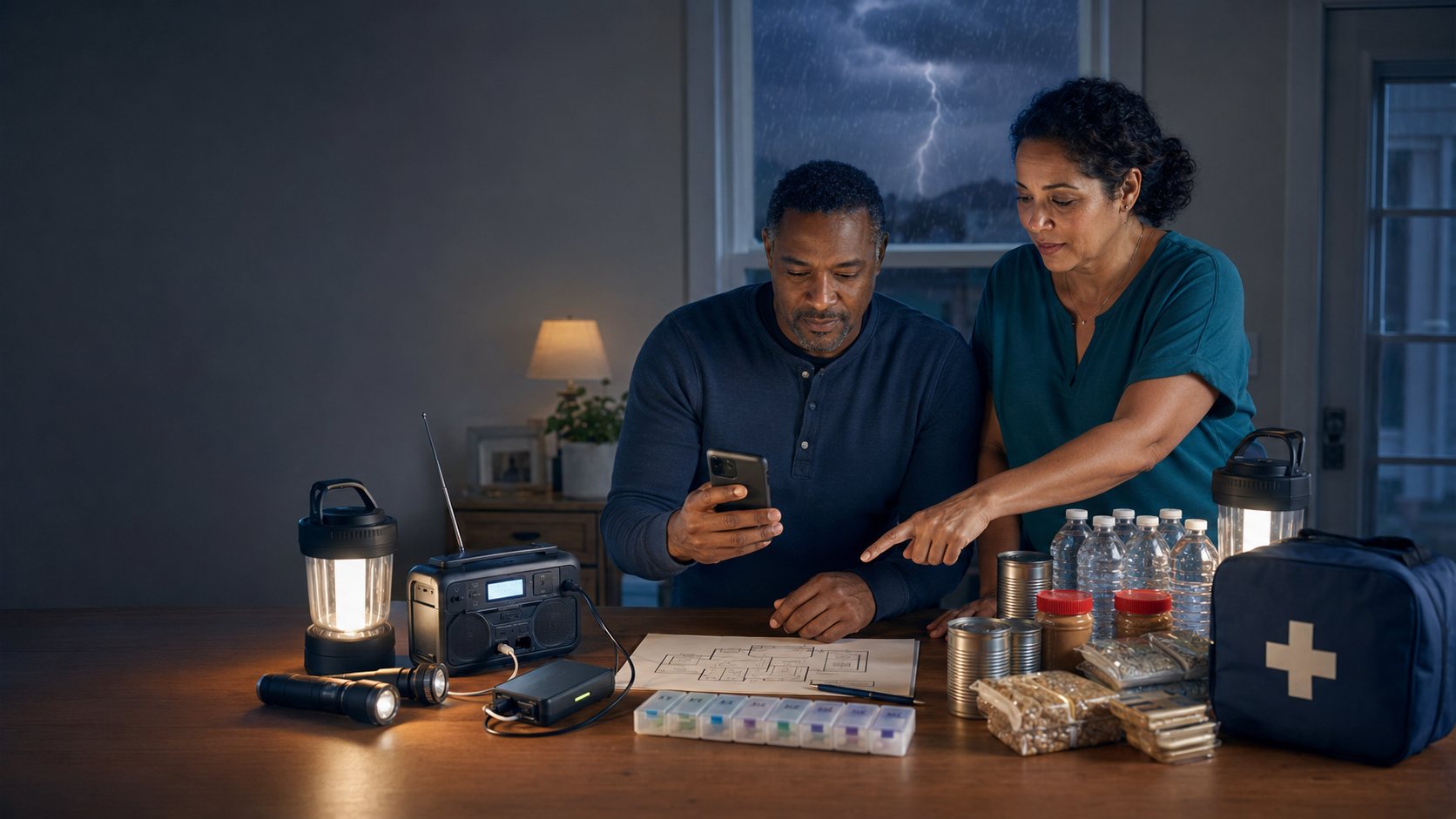
A severe storm or extended outage can quickly disrupt water, food, communication, medication, heating, cooling, and home security. This practical 2.5-hour seminar gives you a clear plan to protect the people who depend on you—before the lights go out.
The problem: an outage affects more than the lights
A power outage rarely stays a simple inconvenience. As the hours pass, everyday systems begin to fail:
- Refrigerated food and temperature-sensitive medications become vulnerable.
- Phones, internet service, and routine communication may become unreliable.
- Heat or cold inside the home can become unsafe.
- Water, sanitation, fuel, and local supplies may become harder to access.
- Poor generator placement, unsafe heating, and improvised lighting can create preventable hazards.
- Extended outages can increase stress, confusion, and security concerns.
You do not need to predict every storm. You need a plan that still works when normal systems do not.
Preparedness should be practical
Coastal Barrier’s awareness seminars turn complex risks into clear decisions and usable actions. The instruction is grounded in real-world leadership, security, training, and austere-environment experience—delivered in plain language for ordinary households and organizations.
You will not be asked to buy fear or prepare for an unrealistic scenario. You will learn how to identify your most likely risks, build sensible backups, avoid common safety mistakes, and establish priorities for response and recovery.
What participants will learn
|
TOPIC |
PRACTICAL OUTCOME |
|
Water and food planning |
Estimate realistic household needs, protect stored food, and make safe decisions when refrigeration is lost. |
|
Backup lighting and power |
Select safer lighting, charging, battery, and backup-power options based on essential needs. |
|
Generator safety |
Understand placement, ventilation, carbon-monoxide risks, fuel considerations, and connection boundaries. |
|
Communication alternatives |
Build a communications plan for weak cellular service, depleted batteries, or disrupted internet access. |
|
Home temperature management |
Use practical steps to manage dangerous heat or cold and recognize when staying home is no longer the best option. |
|
Sanitation and medication |
Plan for hygiene, toilets, prescriptions, refrigeration-dependent medication, pets, and special needs. |
|
Security during extended outages |
Improve household awareness, lighting discipline, routines, information control, and help-seeking decisions. |
|
Recovery and resupply |
Prioritize safety checks, food decisions, fuel, medication, documentation, and resupply after service returns. |
The plan
1. Reserve your seat
Choose the available seminar date or submit the information request form.
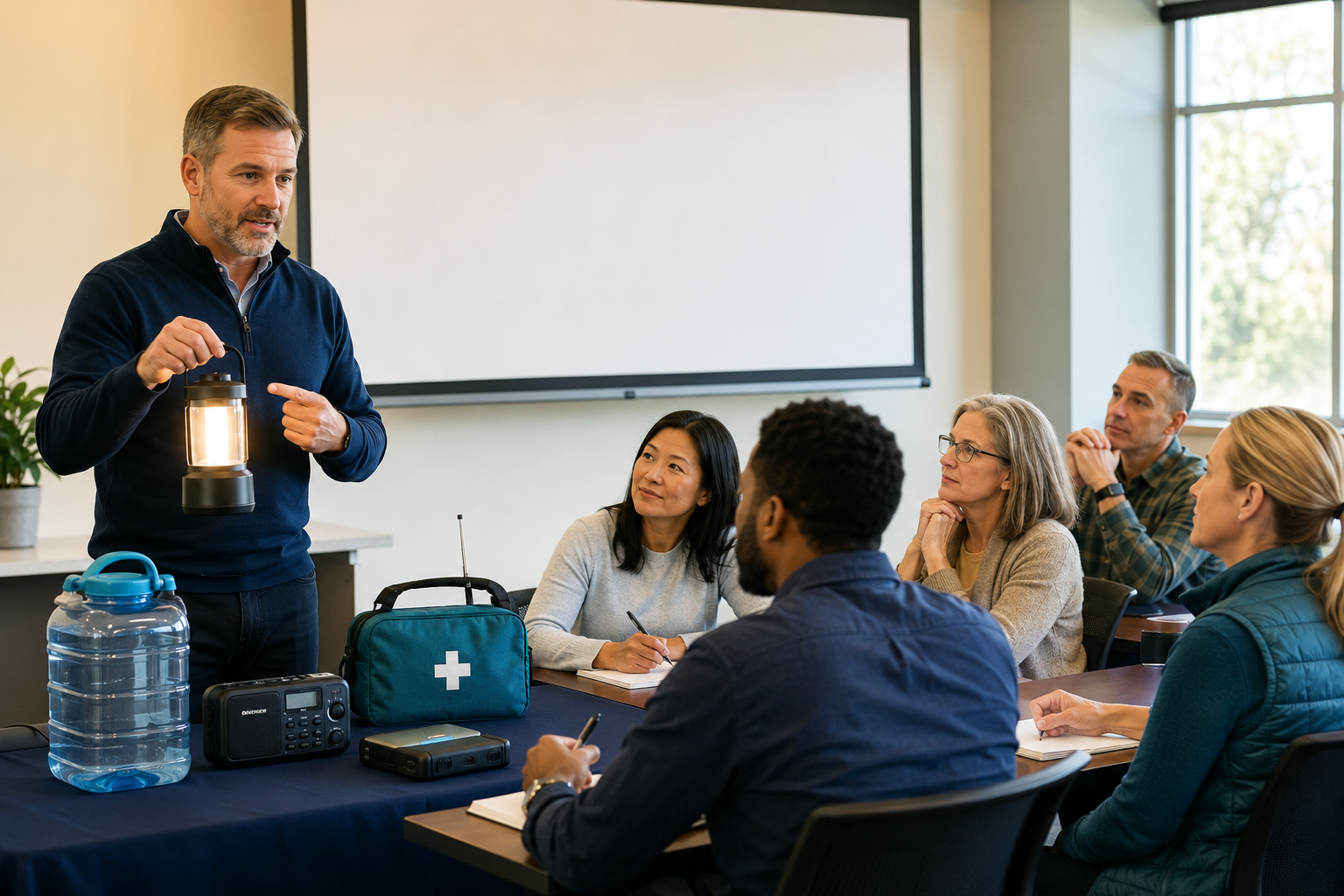
2. Attend the 2.5-hour seminar
Work through realistic decisions, checklists, and scenario-based exercises.
3. Build your household action plan
Leave with priorities you can begin implementing immediately.
What changes after the seminar
Instead of wondering whether you have enough supplies—or reacting under pressure—you will have a practical framework for making decisions before, during, and after an outage.
- A prioritized household preparedness plan
- Clearer roles and communication expectations
- Safer backup-lighting and power decisions
- Better readiness for heat, cold, sanitation, medication, and security concerns
- A recovery and resupply sequence that reduces confusion
Facilitator credibility
Gary Silverthorn brings more than four decades of military, security, leadership, instructional, and business experience to practical awareness training. His background includes service as a U.S. Marine and Army Ranger, senior-level instruction, leadership in austere environments, corporate security, and business consulting.
The cost of waiting
The worst time to decide what your household needs is after roads are dangerous, shelves are empty, phones are failing, or the indoor temperature is becoming unsafe. A few informed decisions made now can prevent avoidable mistakes later.
Prepare while you have time, options, and clear thinking.
Choose the Right Way to Attend
|
Individual Registration Standard registration: $149
|
Private Group Training Group training starts at $2,250 for up to 15 participants.
|
Travel, lodging, venue costs, printing, and extensive customization are quoted separately for private engagements.
Frequently Asked Questions
Is this a survival course?
It is a practical preparedness and situational-awareness seminar. The focus is on sound household planning, safer decisions, communication, essential supplies, and recovery priorities—not extreme survival tactics.
Do I need special equipment before attending?
No. The seminar will help you identify what is essential, what is optional, and what may be unnecessary for your household and risk profile.
Is this appropriate for beginners?
Yes. The seminar is designed for people who want a clear, useful starting point as well as those who want to evaluate an existing plan.
Will the course discuss generators?
Yes. It covers generator safety considerations, including outdoor placement, ventilation, carbon-monoxide risk, fuel planning, and safe connection boundaries. It does not replace manufacturer instructions, electrical codes, or work by a qualified electrician.
Can organizations schedule a private session?
Yes. Businesses, churches, associations, neighborhood groups, and community organizations may request a private or hosted seminar.
Will I receive materials?
Yes. Participants receive practical handouts and planning tools to support their household action plan.
Don't Wait for the Next Outage to Discover Gaps in Your Plan.
Learn what to prepare, how to reduce preventable hazards, and what to do when normal systems stop working.