
Security and Safety Consulting for Private Clubs, Resorts, and Luxury Communities
Understand where your security program is working, where gaps remain, and which improvements deserve priority. Coastal Barrier helps leadership connect people, procedures, technology, and emergency response while respecting the experience your members, residents, and guests expect.
Led by Gary Silverthorn, former Army Ranger First Sergeant, corporate security executive, defense contractor, entrepreneur, and senior advisor.

Start with a complimentary 30-minute conversation about your property, concerns, and priorities. We will discuss whether an assessment is appropriate and what the next step would involve. You are not obligated to purchase a service.
Our Primary Clients
Private Clubs, Resorts, and Luxury Communities
Security Problems Rarely Begin with One Dramatic Failure
They usually develop from overlooked vulnerabilities, unclear responsibilities, disconnected technology, outdated procedures, insufficient training, and untested assumptions.
- No current, independent assessment of the property
- Security technology installed without one coordinated strategy
- Unclear responsibility during emergencies
- Policies that have not kept pace with growth
- Employees and contractors receiving inconsistent training
- Emergency plans that have not been exercised
Move from Assumptions to a Security Program You Can Trust
| BEFORE | AFTER |
| Risks are discussed but not documented. | Leadership has a prioritized risk register. |
| Security measures operate independently. | People, policies, and technology support one strategy. |
| Emergency roles are unclear. | Authority and responsibilities are established. |
| Improvements are reactive. | Investments follow a phased master plan. |
| Vendors define the solution. | Leadership controls requirements and accountability. |
| Plans exist on paper. | Plans are tested through drills and exercises. |
| Leadership hopes the system will work. | Readiness is reviewed, measured, and improved. |
COMPREHENSIVE SECURITY, SAFETY & READINESS ASSESSMENT
Understand Your Exposure Before You Invest in the Solution
Coastal Barrier independently evaluates the full operating environment - not merely cameras, guards, gates, or written policies. We examine how people, property, procedures, technology, vendors, leadership, and emergency-response capabilities work together.
- Security governance and responsibility
- Perimeters, entrances, access, and visitor management
- Cameras, alarms, communications, GPS, and access-control technology
- Security personnel, staffing, posts, and supervision
- Emergency, medical, evacuation, and crisis response
- Employee, contractor, resident, member, and guest procedures
- Policies, reporting, documentation, and training
- Law-enforcement, fire, EMS, and third-party coordination
- Special events, vehicles, recreation, and property-specific exposures
- Implementation priorities and budget-planning categories
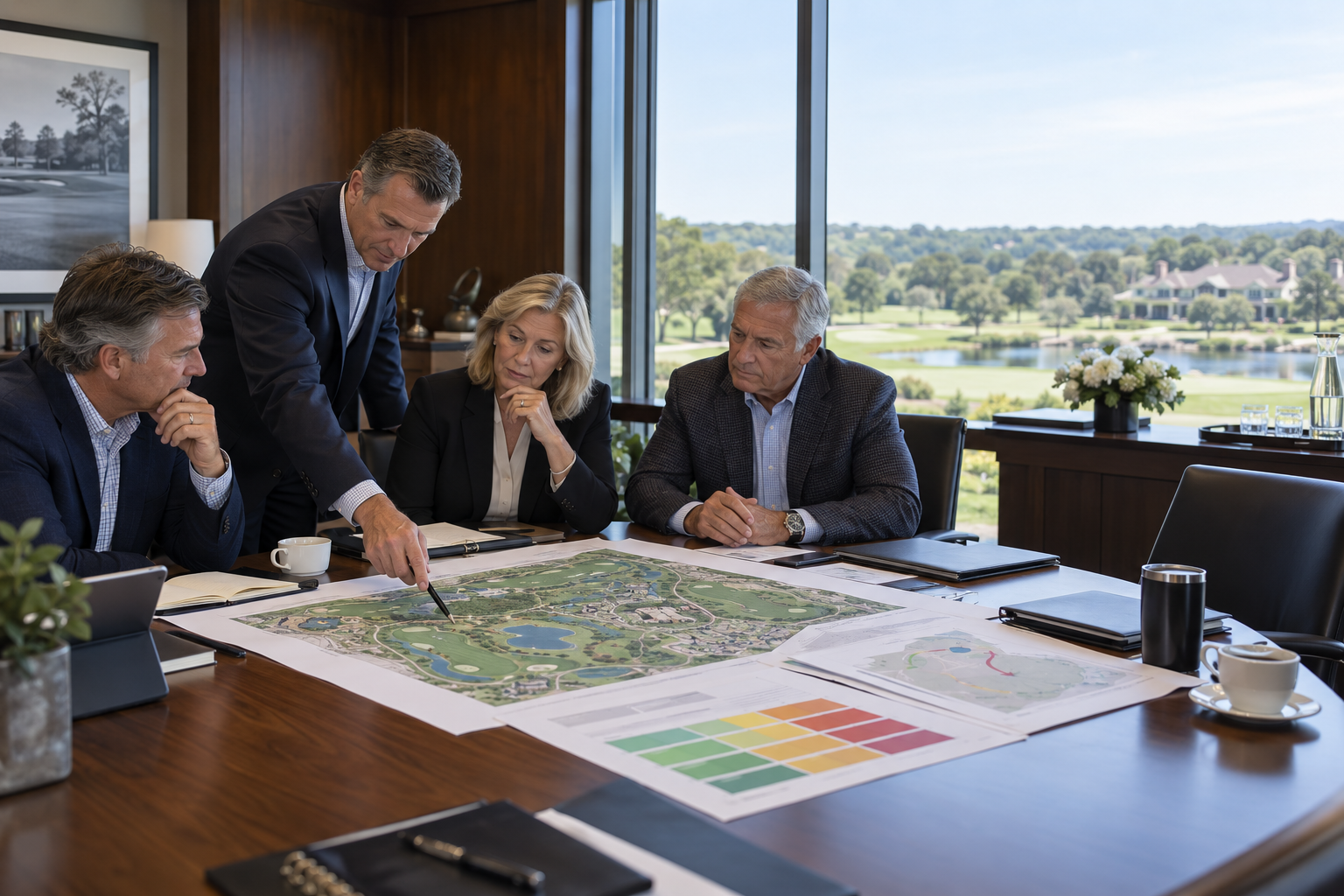
What the Assessment Gives Leadership
You receive a documented view of current conditions, prioritized findings, and a practical roadmap for decisions. Recommendations identify the issue, explain its operational significance, and establish a basis for assigning responsibility and planning improvements.
The assessment provides direction. Equipment purchases, staffing changes, implementation support, and follow-up exercises are included only when your written scope specifies them.
More Than a List of Problems
Your assessment produces an actionable path forward.
Clarity
Executive briefing, strengths, vulnerabilities, and risk register
Priorities
Immediate actions and phased 30-, 90-, 180-, and 365-day roadmap
Direction
Staffing, technology, policy, training, and vendor recommendations
Accountability
Assigned responsibilities and implementation governance
A Clear Path from Vulnerability to Readiness
1. Assess the Environment
We review the property, people, operations, policies, technology, response capabilities, and existing strengths.
2. Build the Master Plan
We prioritize findings and develop a practical, phased plan aligned with the organization's operations, culture, and resources.
3. Support Implementation
We help leadership coordinate vendors, develop policies, evaluate staffing, oversee improvements, and maintain accountability.
4. Validate Readiness
Training, exercises, inspections, and follow-up reviews determine whether the program works as intended.
Illustrative Example of a Finding
Condition: A service entrance is routinely left open during deliveries, and it's unclear who is responsible for checking visitors.
Why it matters: An unauthorized person may enter a restricted area without being challenged or reported.
Recommended action: Define delivery access hours, assign verification responsibility, and establish an exception procedure.
Completion check: A designated manager observes the revised process during a delivery period and records any remaining gaps.
This example illustrates the structure of a recommendation. It is not a reported client result.
Ready to Understand Your Current Exposure?
Begin with a confidential conversation about your property, concerns, and readiness goals.
The initial call, approximately 30 minutes, is at no cost to you or your organization
A Report Does Not Reduce Risk Until the Recommendations Are Implemented
Coastal Barrier can remain involved after the assessment to help turn recommendations into operational capability.
- Implementation management
- Vendor-neutral evaluation
- Installer and service-provider coordination
- Security-force hiring and organizational support
- Policy and procedure development
- Training and exercise delivery
- Progress reviews and executive reporting
- Installation and acceptance support
- Ongoing readiness advisory

Security Experience That Extends Beyond Equipment
Technology is important, but equipment alone does not create readiness. Effective security requires leadership, judgment, responsibility, training, and coordinated execution.
Gary Silverthorn brings more than four decades of experience across military special operations, corporate security, defense contracting, business leadership, instruction, and executive advisory.
- Independent and vendor-neutral
- Executive-level perspective
- All-hazards approach
- Practical and non-fear-based
- Security integrated with operations and hospitality
- Recommendations prioritized by risk and feasibility
- Continued support beyond the assessment
- Discreet handling of sensitive information
FORMER ARMY RANGER FIRST SERGEANT • CORPORATE SECURITY EXECUTIVE • DEFENSE CONTRACTOR • ENTREPRENEUR • SENIOR ADVISOR
Who We Serve
Security and safety strategies designed for complex environments where people, operations, reputation, and hospitality must be protected together.
Private Clubs, Resorts and Luxury Communities
Protect residents, members, guests, employees, property, events, and reputation while preserving a welcoming environment.
Complex Private and Multi-Location Organizations
Create consistent security, emergency-response, and accountability standards across facilities and operating units.
Government and Defense Contractors
Strengthen security governance, organizational readiness, response planning, and operational resilience where reliability carries serious consequences.
Build Awareness Throughout the Organization
Security plans work better when employees recognize developing concerns, understand reporting expectations, and know their responsibilities during an incident.
- Employee situational awareness
- Workplace safety and threat recognition
- Supervisor incident leadership
- Emergency communications
- De-escalation and decision-making
- Executive and travel awareness
- Real estate professional safety
- Drills and scenario-based exercises
What Changes Through Assessment and Implementation
The assessment clarifies current conditions and priorities. Assigned corrective actions, training, and exercises turn those priorities into a more coordinated program. Progress depends on leadership-approved actions, resources, and follow-through.